
Vitamin-D
Vitamin D (often nicknamed the “sunshine vitamin”) is a fat-soluble vitamin that acts as a crucial hormone in the body. Unlike most other vitamins, your body can synthesize Vitamin D naturally when your skin is exposed to ultraviolet B (UVB) sunlight.
Primary Functions & Benefits
- Bone Health & Calcium Absorption: Vitamin D is essential for absorbing calcium and phosphorus in the gut. Without enough Vitamin D, bones can become thin, brittle, or misshapen (leading to conditions like rickets in children or osteomalacia and osteoporosis in adults).
- Immune System Support: Plays a critical role in strengthening immune function, helping the body fight off respiratory infections, viruses, and bacteria.
- Mood & Mental Health: Receptors for Vitamin D are present in areas of the brain involved in mood regulation; adequate levels help support overall brain function and mental health.
- Muscle Function: Supports muscle strength and coordination, which helps prevent falls, especially in older adults.
Main Sources of Vitamin D
- Sunlight: Direct exposure to mid-day sunlight on bare skin (about 10–30 minutes a few times a week, depending on skin tone, latitude, and season).
- Dietary Sources:
- Fatty Fish: Salmon, mackerel, sardines, and tuna.
- Egg Yolks: Contain small amounts of Vitamin D.
- Fortified Foods: Cow’s milk, plant-based milk alternatives, orange juice, and breakfast cereals.
- Beef Liver & Mushrooms: Mushrooms exposed to UV light offer small amounts of plant-based Vitamin D2.
- Supplements: Available in two forms: Vitamin D2 (ergocalciferol) and Vitamin D3 (cholecalciferol), with D3 generally being more effective at raising blood levels.
The deficiency of Vitamin-D
Here is a revised section on Vitamin D deficiency tailored for your blog post. It incorporates clear transition words (e.g., however, for instance, moreover, as a result, consequently) to improve readability and flow, keeping your Yoast SEO scores strong:
Causes of Vitamin D Deficiency
Although your body can synthesize Vitamin D from sunlight, many factors can hinder this process. For instance, limited sunlight exposure—whether from spending most of your time indoors, living at higher latitudes, or using heavy sun protection—is a leading cause. Additionally, consuming a diet low in Vitamin D-rich foods can contribute significantly to a deficiency.
Furthermore, biological factors play a critical role. For example, higher melanin levels in the skin naturally reduce Vitamin D synthesis from sunlight. Moreover, age and certain medical conditions—such as celiac disease or kidney disorders—can impair how well your body absorbs and converts this essential nutrient.
Signs & Symptoms
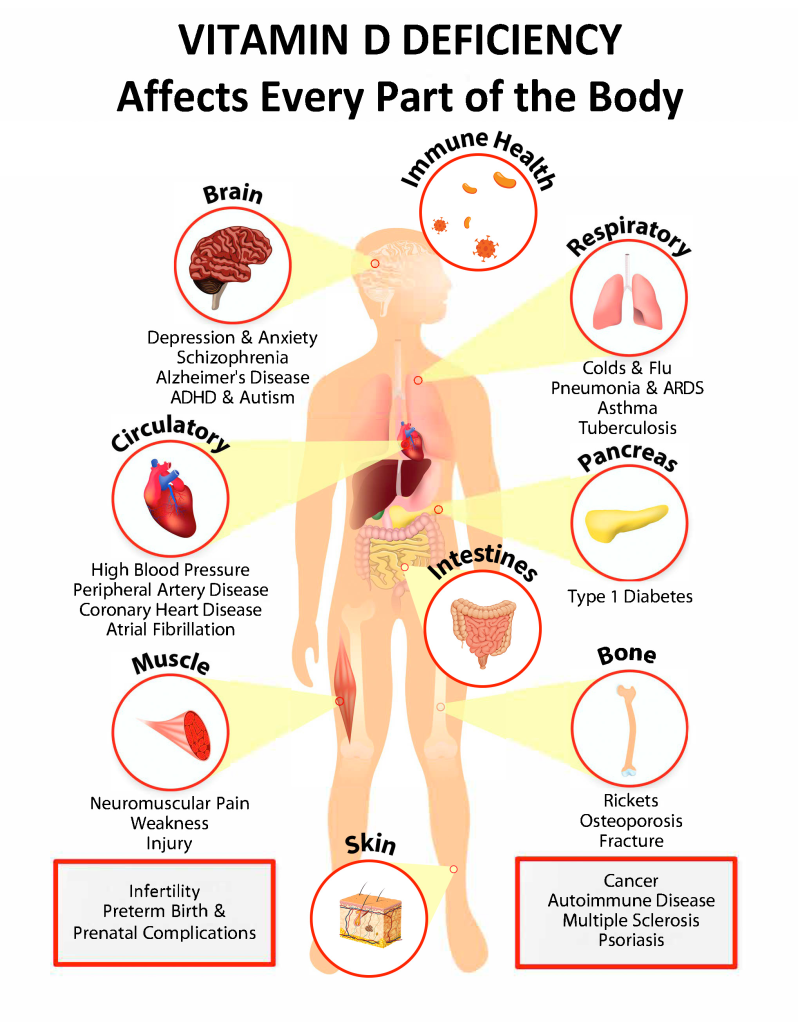
In the early stages, a deficiency may go unnoticed; however, several warning signs often develop over time. For one, frequent bone and lower back pain can occur because lower Vitamin D levels hinder calcium absorption. In addition, many people experience unexplained muscle weakness, fatigue, or mood changes, such as seasonal depression.
Similarly, your immune system may suffer. Consequently, you might find yourself dealing with frequent infections, colds, or unusually slow wound healing following injuries.
Long-Term Health Impact
If left untreated, severe Vitamin D deficiency can lead to serious long-term consequences. In children, for example, it causes rickets, a condition characterized by soft, weak, or misshapen bones. On the other hand, adults with severe deficiency face a high risk of osteomalacia and osteoporosis, which significantly increase the likelihood of bone fractures. Ultimately, maintaining optimal levels is essential, as persistent deficiency is also linked to a higher risk of cardiovascular and autoimmune disorders.
Tip: Therefore, if you suspect you may be deficient, consider getting a 25-hydroxyvitamin D blood test. Generally, doctors can easily manage low levels using targeted dietary changes and Vitamin D3 supplements.