
Vitamin-C
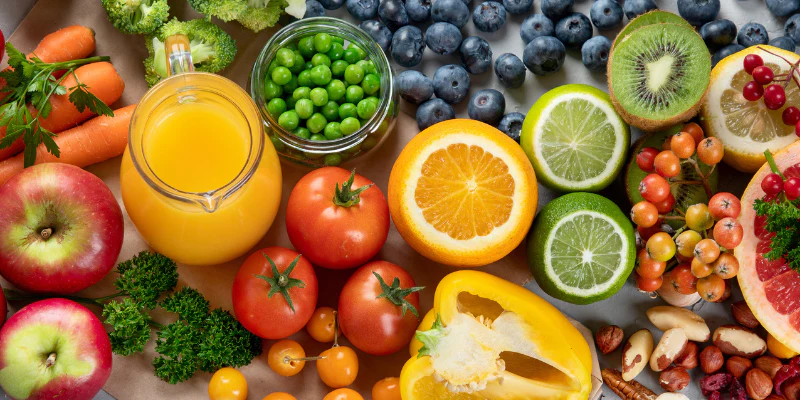
| Superfood Category | Examples | Major Health Benefits |
| Berries | Blueberries, Acai, Goji, Cranberries | Rich in antioxidants and vitamin C; support heart and cognitive health. |
| Dark Leafy Greens | Kale, Spinach, Swiss Chard | High in vitamins A, C, K, folate, and calcium; aid in digestion and immunity. |
| Fatty Fish | Salmon, Sardines, Mackerel | Packed with omega-3 fatty acids; lower the risk of heart disease. |
| Nuts & Seeds | Chia seeds, Flaxseeds, Walnuts | Great source of plant-based protein, fiber, and healthy fats. |
| Fermented Foods | Yogurt, Kefir, Kimchi, Kombucha | High in probiotics; promote a healthy gut microbiome. |
| Roots & Spices | Turmeric, Ginger, Garlic, Beets | Contain powerful natural anti-inflammatory compounds. |
“(Vitamin-C)Superfood” is a popular term used to describe foods that are exceptionally nutrient-dense, meaning they pack a high volume of vitamins, minerals, antioxidants, and healthy fats into relatively few calories.
While nutritionists point out that “superfood” is technically a marketing term rather than a strict scientific classification, incorporating these whole foods into a balanced diet offers substantial health benefits.
Key Nutritional Drivers of Vitamin-C
(Vitamin-C)Superfoods earn their title because they are usually packed with:
- Antioxidants & Phytochemicals: Compounds like flavonoids and carotenoids that help neutralize free radicals, reducing cellular damage and chronic inflammation.
- Healthy Fats: Omega-3 and monounsaturated fatty acids that support cardiovascular and brain health.
- Fiber: Essential for gut health, regulating blood sugar levels, and maintaining digestion.
Benefits of vitamin-c
Primary Health Benefits of Vitamin-C
1. Boosts Immune System Function
- Strengthens Cellular Defenses: Vitamin C encourages the production and activity of white blood cells (like phagocytes and lymphocytes), which protect against infections.
- Reduces Illness Duration: While it may not prevent you from catching a cold, regular intake can modestly reduce the severity and duration of cold symptoms.
- Protects Skin Barriers: It supports skin integrity to act as a barrier against pathogens.
2. Powerful Antioxidant Protection
- Neutralizes Free Radicals: Vitamin C donates electrons to neutralize unstable molecules (free radicals) that cause oxidative stress, which is linked to aging and chronic diseases.
- Recycles Other Antioxidants: It aids in regenerating other critical body antioxidants, such as Vitamin E.
3. Essential for Collagen Production & Wound Healing
- Connective Tissue Support: Required for the synthesis of collagen, the main structural protein for skin, cartilage, bones, blood vessels, and tendons.
- Accelerates Healing: Helps repair tissues and speeds up the body’s natural wound-healing processes.
4. Enhances Iron Absorption
- Prevents Anemia: Improves the absorption of non-heme iron (the form found in plant-based foods like spinach and legumes).
- Reduces Deficiency: Highly beneficial for vegetarians, vegans, or individuals prone to iron deficiency.
5. Supports Heart & Vascular Health
- Blood Pressure Regulation: Research suggests vitamin C can help relax blood vessels, helping to reduce blood pressure levels.
- Lowers Heart Disease Risk Factors: Associated with lower levels of “bad” (LDL) cholesterol and blood triglycerides.
6. Protects Brain & Cognitive Health
- Fights Neurodegeneration: High levels of oxidative stress near brain tissue are linked to memory decline and dementia; antioxidant protection helps maintain cognitive function as you age.
- Neurotransmitter Synthesis: Aids in the production of brain chemicals that regulate mood and signaling.
| Category | Recommended Daily Amount |
| Adult Women | ~75 mg/day |
| Adult Men | ~90 mg/day |
| Smokers | Add +35 mg/day (tobacco depletes vitamin C levels) |
| Tolerable Upper Limit (Adults) | 2,000 mg/day |