
How TO Reduce Stress
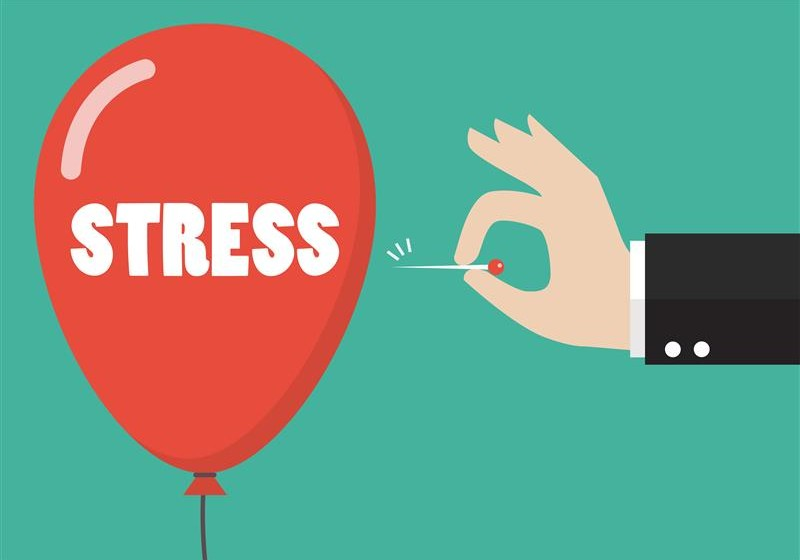
Stress(how to reduce stress) is the body’s natural physical and mental response to an external challenge, demand, or threat (often called a stressor). When faced with stress, your body activates the “fight-or-flight” response, releasing stress hormones like cortisol and adrenaline to prepare you to react quickly.
While short-term stress can help you stay alert or perform under pressure, chronic (long-term) stress can significantly impact your health.
How Stress Affects the Body & Mind
Chronic stress can affect almost every system in the body:
1. Physical Health
-
- Cardiovascular System: Increases heart rate and blood pressure, raising the long-term risk of heart disease and stroke.
-
- Immune System: Suppresses immune function, making you more susceptible to illnesses and infections.
-
- Digestive System: Triggers stomach pain, bloating, indigestion, or changes in appetite.
-
- Muscles: Causes persistent muscle tension, leading to tension headaches, body aches, and fatigue.
2. Mental & Emotional Health
-
- Increases anxiety, irritability, or mood swings.
-
- Contributes to difficulty concentrating, brain fog, and memory problems.
-
- Can lead to long-term conditions such as chronic anxiety or depression.
3. Sleep & Behavior
-
- Causes insomnia, restless sleep, or trouble falling asleep.
-
- Leads to changes in habits, such as overeating, loss of appetite, or social withdrawal.
How to Reduce Stress
Managing stress involves a combination of lifestyle changes, relaxation techniques, and mindset shifts:
1. Daily Lifestyle Habits
-
- Regular Exercise: Physical activity lowers cortisol and stimulates endorphins (the body’s natural mood boosters). Even a daily 20–30 minute walk helps.
-
- Balanced Nutrition: Eat whole foods rich in vitamins, minerals, and antioxidants while reducing excessive caffeine and sugar intake.
-
- Prioritize Sleep: Aim for 7–9 hours of quality sleep each night to allow your mind and body to recover.
2. Mind & Body Relaxation
-
- Deep Breathing & Meditation: Practicing deep diaphragmatic breathing, mindfulness, or progressive muscle relaxation calms the nervous system.
-
- Time in Nature: Spending time outdoors reduces stress hormones and restores mental clarity.
-
- Hobbies & Downtime: Make regular time for activities you enjoy, such as reading, listening to music, or creative outlets.
3. Mental & Behavioral Strategies
-
- Set Boundaries & Say No: Avoid overcommitting by prioritizing essential tasks and delegating when possible.
-
- Stay Connected: Talking with trusted friends, family, or support networks helps process feelings and reduces isolation.
-
- Seek Professional Help: If stress becomes overwhelming or interferes with daily life, working with a therapist or counselor can provide personalized coping tools.