
Food
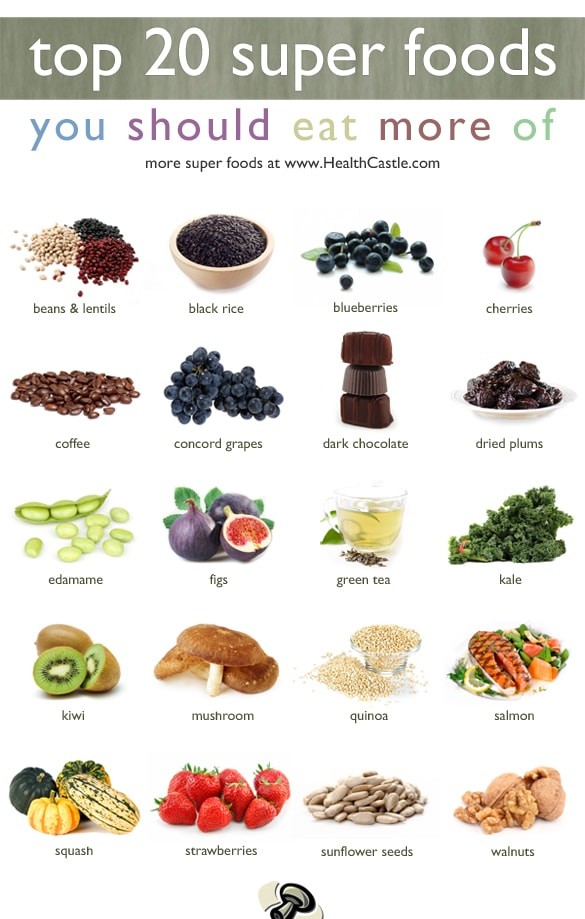
Food” is a popular term used to describe foods that are exceptionally nutrient-dense, meaning they pack a high volume of vitamins, minerals, antioxidants, and healthy fats into relatively few calories.
While nutritionists point out that “superfood” is technically a marketing term rather than a strict scientific classification, incorporating these whole foods into a balanced diet offers substantial health benefits.
Key Nutritional Drivers of Food
Superfoods earn their title because they are usually packed with:
- Antioxidants & Phytochemicals: Compounds like flavonoids and carotenoids that help neutralize free radicals, reducing cellular damage and chronic inflammation.
- Healthy Fats: Omega-3 and monounsaturated fatty acids that support cardiovascular and brain health.
- Fiber: Essential for gut health, regulating blood sugar levels, and maintaining digestion.
Common Examples & Benefits
| Superfood Category | Examples | Major Health Benefits |
| Berries | Blueberries, Acai, Goji, Cranberries | Rich in antioxidants and vitamin C; support heart and cognitive health. |
| Dark Leafy Greens | Kale, Spinach, Swiss Chard | High in vitamins A, C, K, folate, and calcium; aid in digestion and immunity. |
| Fatty Fish | Salmon, Sardines, Mackerel | Packed with omega-3 fatty acids; lower the risk of heart disease. |
| Nuts & Seeds | Chia seeds, Flaxseeds, Walnuts | Great source of plant-based protein, fiber, and healthy fats. |
| Fermented Foods | Yogurt, Kefir, Kimchi, Kombucha | High in probiotics; promote a healthy gut microbiome. |
| Roots & Spices | Turmeric, Ginger, Garlic, Beets | Contain powerful natural anti-inflammatory compounds. |
Benefits of Food
1. Cellular Protection & Anti-Aging
- Rich in Antioxidants: Superfoods like blueberries, acai, and dark chocolate contain high levels of flavonoids and polyphenols.
- Why It Matters: They neutralize free radicals, reducing oxidative stress and lowering inflammation that contributes to chronic diseases and premature aging.
2. Heart & Cardiovascular Health
- Healthy Fatty Acids: Foods like salmon, chia seeds, walnuts, and avocados are loaded with omega-3s and monounsaturated fats.
- Why It Matters: Helps lower “bad” LDL cholesterol, support healthy blood pressure, and reduce plaque buildup in arteries.
3. Gut Health & Digestion
- Fiber & Probiotics: Fiber-rich foods (chia, oats, legumes) and fermented superfoods (kefir, kimchi, yogurt) support gut flora.
- Why It Matters: Nourishes the gut microbiome, improves digestion, enhances nutrient absorption, and helps regulate blood sugar.
4. Immune System Support
- Vitamin & Mineral Density: Leafy greens (kale, spinach), citrus fruits, garlic, and ginger provide concentrated doses of vitamins A, C, and E.
- Why It Matters: Strengthens immune defenses and helps the body fight off common infections more effectively.
5. Sustained Energy & Weight Management
- Nutrient-Dense, Low-Calorie: Foods like quinoa, lentils, and spirulina deliver steady nutrient energy without causing major blood sugar spikes.
- Why It Matters: Keeps you full longer, prevents sugar crashes, and supports healthy metabolism.